
Amendments to the Law on Media, i.e. a new law that should regulate this area, is the main conclusion of the panel discussion titled "Why do we need a new law on media?" which was held on December 2, organized by the Independent Union of Journalists and Media Workers and the RESIS Institute within the framework of the project "Labor Rights for Independent Journalism". The panel, as part of the consultations on the ongoing process of amendments to the Law on Media, was attended by representatives of journalistic organizations, online media organizations, media experts, as well as representatives of the Ministry of Digital Transformation.
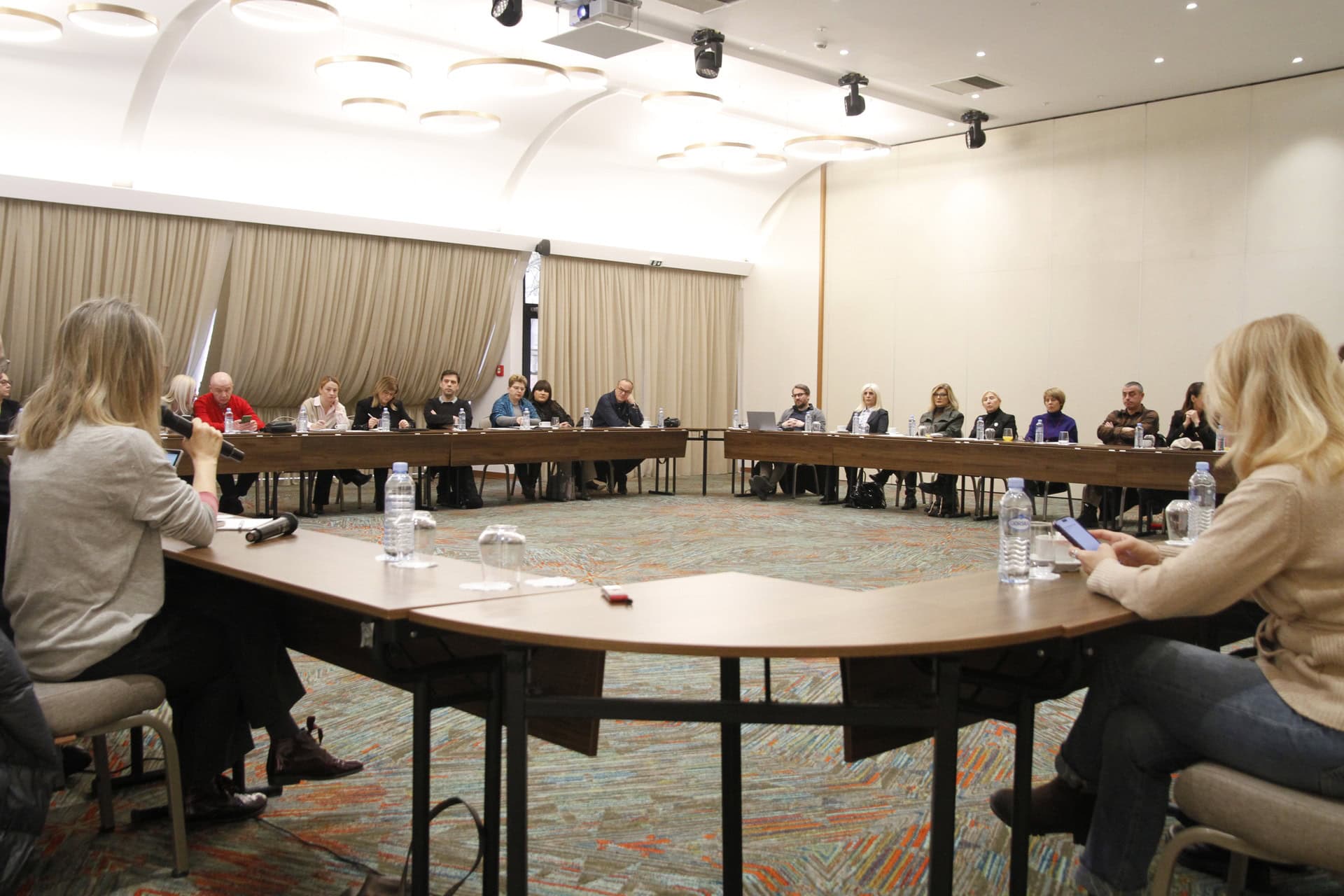
The main conclusion of the discussants was the agreement that the Law on Media should unequivocally recognize online media, with different opinions expressed on the way this should be done in order to professionalize these media and create appropriate working conditions for journalists and media workers.
The President of the Independent Union of Journalists and Media Workers, Pavle Belovski, stressed that we need a new Law on Media in order to adapt to the new situation, but also that all changes must be aligned with European standards.
"We propose, and this is the first time we are saying this publicly, a type of double registration, and that all online media should register, of course those who want to do so, but those who want to receive any benefits, subsidies, whatever we call them, state funds, they must meet stricter criteria, and not only in terms of the number of employees," said Belovski.
The Secretary General of the European Federation of Journalists, Ricardo Gutiérrez, said that a complete overhaul of the laws relating to the media is needed and that the country has until August 2025 to fully align the regulation with the European Media Freedom Act.
“The inclusion of online media must be done in strict compliance with European standards, starting with the European Media Freedom Regulation, which has a strict definition of what is a professional media outlet. Specifically, the amendments should not refer to a media outlet, but to what is defined in that act as media service providers,” Gutiérrez said.
He added that the Media Law must not be discriminatory in any way, especially regarding the recognition of local media outlets or non-profit media outlets, media outlets of communities that are unable to employ two people, as one of the amendments in the draft amendments states.
The representative of the Ministry of Digital Transformation explained why the procedure for amending the Law on Media has been initiated and said that all comments will be considered.
“Recent research has shown that over 70% of the public is online, which means that they use online media as a means of informing themselves, hence the need for online media to be part of the legal solution to bring order to this area and contribute to enhanced competitiveness in the media space,” said Misko Talevski from the Ministry of Digital Transformation.
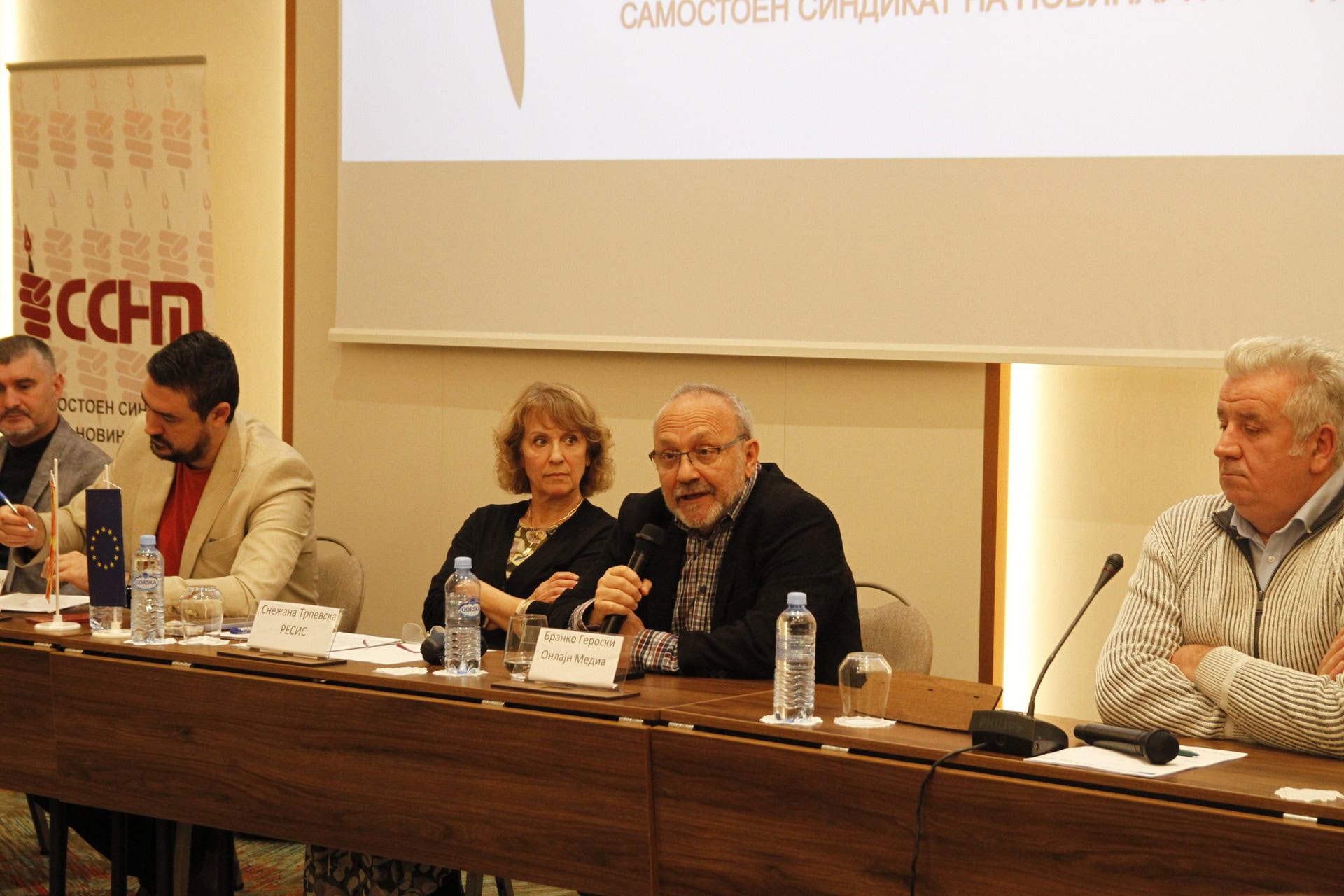
The representative of the Online Media Association, Branko Geroski, said that the lack of regulation of online media is a serious problem that needs to be addressed.
“The Law on Media as it is is definitely discriminatory towards online media. The current law is basically a good law, but it has one significant flaw, and that is that it does not recognize online media,” said Branko Geroski from Online Media.
Dragan Sekulovski from the Journalists Association of Macedonia said that the initiated process for amendments to the law is good and is an opportunity to correct errors that have been lingering since before.
“The intention for amendments to the law is good and therefore the AJM and the union unequivocally support the proposal for interventions in the law that will create a so-called volunteer register and online media will have the opportunity to be verified, that is, those that meet certain conditions,” said Sekulovski.
Media expert Snezana Trpevska from the RESIS Institute said that the amendment and harmonization of the Law on Media is a need that must not be neglected and left to partial solutions.
“Online media are not covered by this concept at all and need to be included in the media regulation. However, the current provisions of the two laws are not sufficient, that is, they need to be improved and supplemented. "I believe that general provisions should be introduced that guarantee citizens access to independent and diverse media, as well as special provisions to protect media pluralism in all media sectors," Trpevska explained.
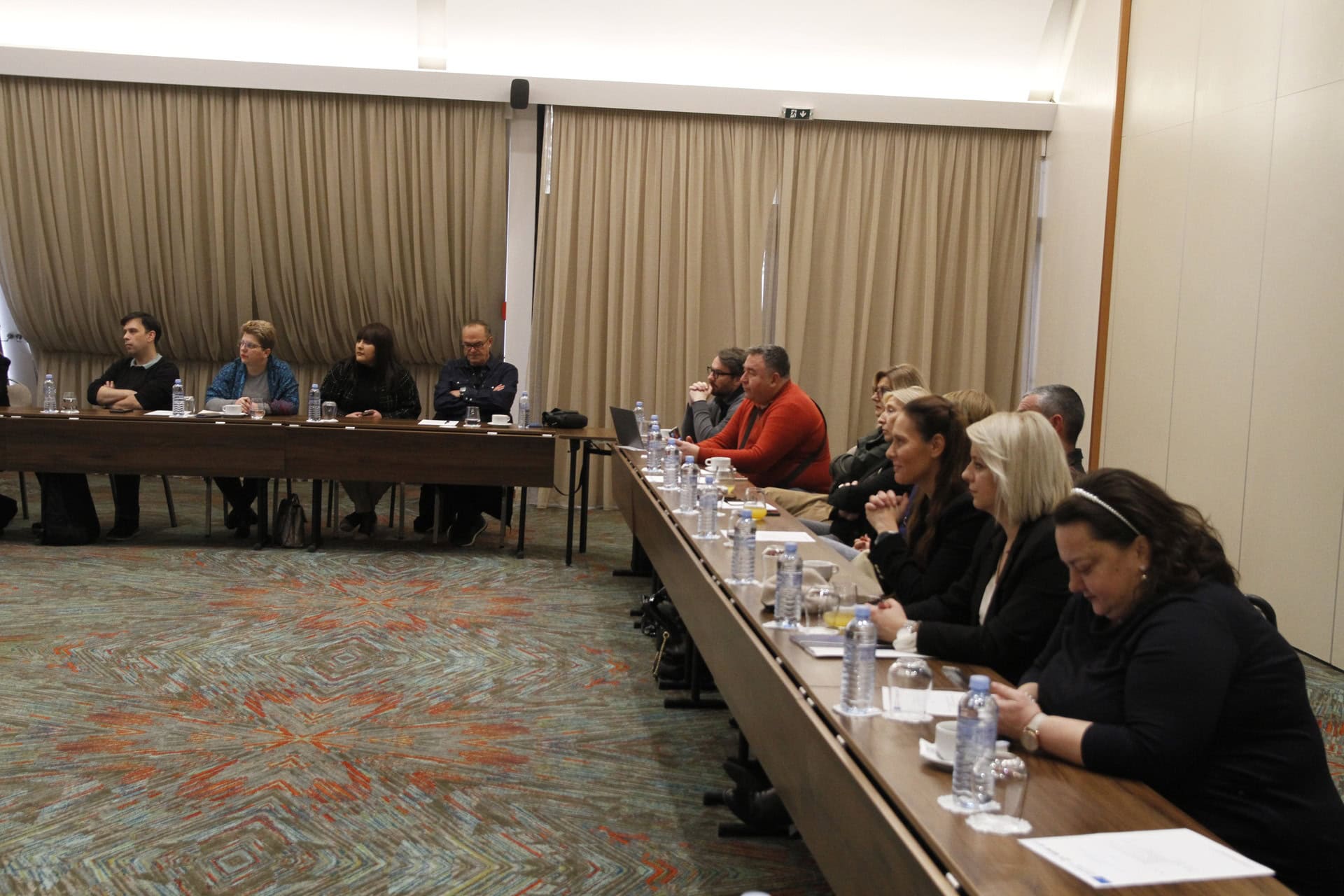
The panel discussion was held within the framework of the project "Workers' Rights for Independent Journalism" implemented by the Independent Union of Journalists and Media Workers in partnership with the RESIS Institute, and supported by the European Union.


